Angelo Domenghini: The Market Move that Led to Cagliari's Miraculous Scudetto
Angelo Domenghini, born in Lallio in 1941, is celebrating his 85th birthday. His life in football was characterized by breaking the mold – a hat-trick with Atalanta, global triumphs under the guidance of the "Magician" Herrera, and a crucial free-kick that saved Italy at Euro '68.
In a football world often defined by individual brilliance and rigid roles, Domenghini was the exception who rewrote the rules of the game. Whether you called him a right winger, a mobile center-forward, or simply a human engine, he defied easy categorization.
Born on August 25, 1941, in Lallio, near Bergamo, Angelo Domenghini emerged from a region known for its reserved, hardworking people. Today, on his eighty-fifth birthday, the football world pauses to honor a living legend, a man who united Italian football fans through his relentless running, goal-scoring prowess, and pure sacrifice.
The Prophecy of Bergamo and the Magician's Millions
The story of "Domingo" began on the dusty pitches of his beloved Atalanta. A pivotal moment arrived on June 2, 1963, in the Coppa Italia final at San Siro against Torino. A young man from Bergamo stole the show, scoring a legendary hat-trick in a 3-1 victory that secured Atalanta's first and historic cup. The club president's phone began to ring insistently; Helenio Herrera wanted him for Inter.
Angelo left his homeland for fifteen million lire, an astronomical sum at the time, to join the "Grande Inter" in Milan. There, he found himself in a perfect machine. The Magician, Herrera, quickly recognized the versatility of this lanky player with steel lungs. Domenghini would patrol the right flank, cover Facchetti's overlapping runs, cut inside, and score. With Inter, he achieved everything a player could dream of: two Scudetti, a European Cup, and two Intercontinental Cups, accumulating 164 appearances and 54 goals. Despite his success, his greatness was often met with an unfair lack of full appreciation, encapsulated by Signora Fraizzoli's famous and sharp remark: "Ten minutes of Corso are worth more than an hour and a half of Domenghini."
However, the field would tell a completely different story.
That Rocket Shot at the Olimpico
If the Italian National team's trophy cabinet boasts the 1968 European Championship, a significant portion of the credit belongs to the atomic right foot of this proud son of Bergamo. It was June 8, 1968, the final against Yugoslavia in Rome. The Azzurri were trailing, fatigued, and tense. In the 80th minute, a free-kick from the edge of the box represented their last hope. Domenghini didn't hesitate: a furious, powerful shot rocketed towards goal, pierced the wall, and found the net.
The 1-1 scoreline forced a replay, which Italy dominated two days later. Domingo saved the nation and was crowned European Champion.
The Swap of the Century and the Sardinian Miracle
In 1969, the transfer market dictated that his time in Milan was over. He was part of a deal that brought Roberto Boninsegna to Inter. His destination: Cagliari. What seemed like an exile turned into an absolute masterpiece.
On the island, he found Manlio Scopigno as coach and the legendary Gigi Riva. Domenghini transformed into the perfect assist-man for "Rombo di Tuono" (Riva's nickname), running tirelessly, creating chances, and delivering crosses. In 1970, Cagliari achieved the feat of the century by winning the Scudetto.
The following year, he was a key player in the World Cup in Mexico, a starter in the squad that ultimately fell to Pelé's Brazil in the final, after an unforgettable "match of the century" against Germany. Today, Angelo Domenghini lives his old age peacefully, dividing his time between his native Lallio and the beloved Sardinia, where the sea remains imprinted in his eyes. The football world rallies around him, with messages of affection from Inter, Cagliari, and his first club, Atalanta. Because history does not forget those who, for the jersey and for glory, gave their soul.
Fresh materials — Volleyball (World)

Lazio vs Genoa: Pinamonti Ready for Olympic Stadium Debut
Lazio is poised for their upcoming match against Genoa, marking a significant moment as Pinamonti prepares for his debut at the Olympic Stadium. The team is in active preparation for the new season, and early summer tests, including friendlies like the one against Flaminia Civita Castellana, h
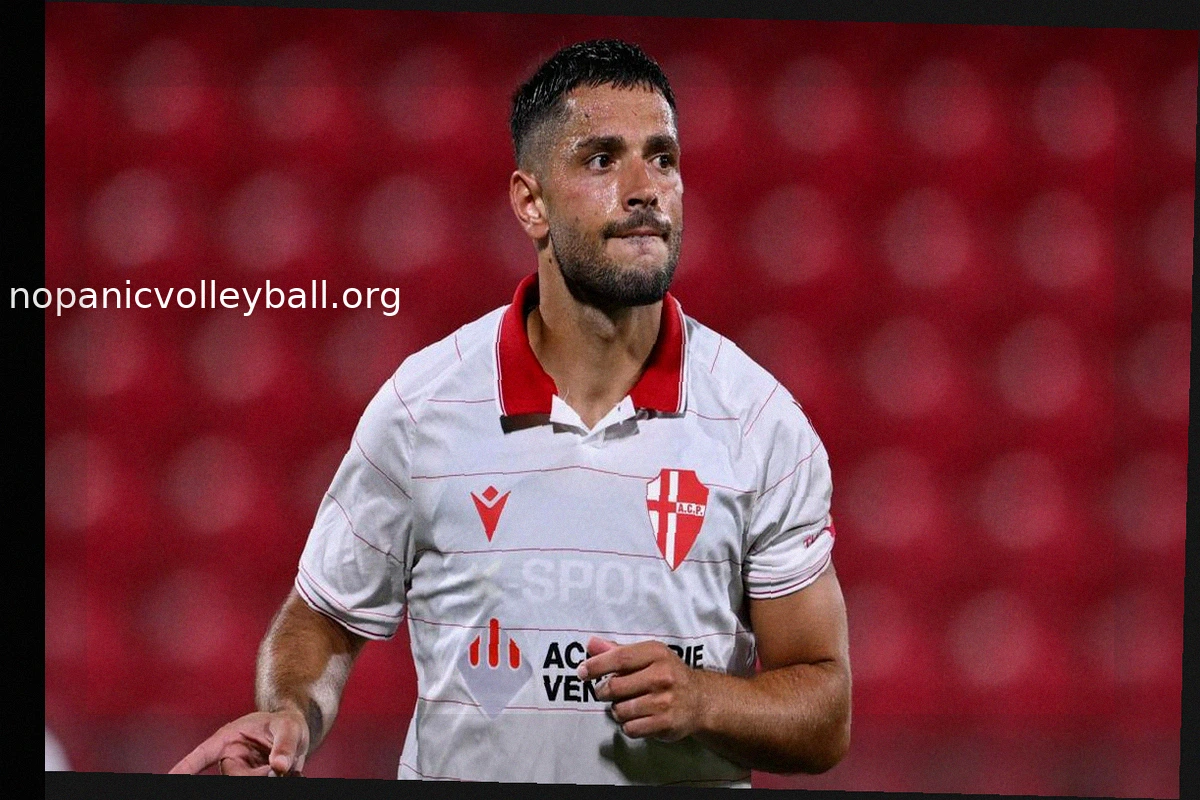
Padova-Verona 1-1: Player Ratings for Padova
Sorrentino 6, Lovato 6, Dellavalle 6, Pastina 6, Carissoni 6.5, Pompetti 5.5 (Di Mariano sv from 82'), Zuelli 6, Fusi 5.5 (Giunti 5.5 from 59'), Cocchi 6; Caprari 6.5 (Lasagna 5.5 from 59'), Moro 6 (Bortolussi 5.5 from 70'). Coach Calabro 6.
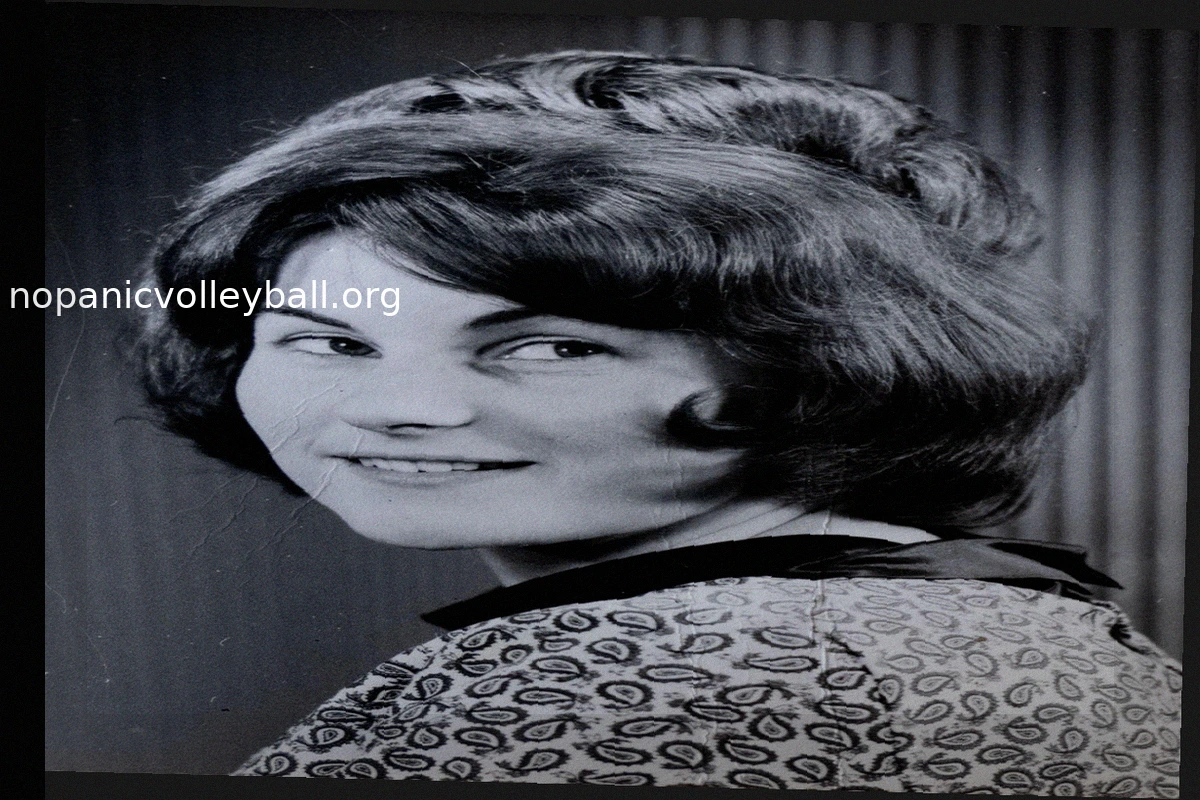
Unworthy Mother's Pain: My Baby Was Stolen
In 1966, at the age of 17 and unmarried, Marion McMillan traveled from her home in southwest Scotland to a Salvation Army maternity home in Newcastle-upon-Tyne, England, over 150 miles away. Her family had sent her there. She spent nine months with her son, a beautiful baby boy described as
Luci ed ombre: inizio stagione della Juve intonato al bianconero
The new Juventus season is beginning like a pyrotechnic display of light and shadow, mirroring the club's colors. The team is walking a thin and unstable tightrope, balancing difficult-to-move surplus players with complicated transfer dealings. There are players struggling

Koopmeiners' Opportunity Against Parma
The absence of Yildiz and the uncertainty surrounding McKennie might give Teun Koopmeiners another chance. The Dutchman is looking for a performance that will convince Spalletti. Kenan Yildiz's injury and Weston McKennie's less-than-perfect condition could present a new opportunity for Te
Giuseppe Boi: Zappa's Assist to Pavoletti in Bari and the Cine-worthy Goal Against Milan. Thanks for Six Years at Cagliari
Journalist Giuseppe Boi has also taken to his X profile to bid farewell to Gabriele Zappa, remembering some of the most significant moments experienced by the winger with the Cagliari jersey. Boi wrote, "Zappa is the assist to Pavoletti in Bari and the cine-worthy goal ag