What if Football Kit Rules Didn't Exist?
Governing bodies like FIFA and UEFA often impose strict equipment regulations. These rules are frequently a point of contention for both fans and designers, as they can stifle creativity and necessitate unwelcome modifications to otherwise well-conceived custom designs.
Imagine a scenario where these stringent guidelines were absent. The landscape of football apparel would likely transform dramatically. Designers would possess unparalleled freedom to explore avant-garde concepts, incorporating a wider array of materials, colors, and stylistic elements that currently fall outside the established parameters. This could lead to kits that are not only aesthetically groundbreaking but also potentially more functional or comfortable for the players.
Fans, too, might experience a richer visual spectacle. The predictability often associated with team kits could give way to a vibrant tapestry of individual expression. Clubs might develop unique identities through their attire, fostering a deeper connection with their supporters. Furthermore, the absence of restrictive rules could pave the way for more sustainable and ethically produced kits, as designers would be free to source materials and employ manufacturing processes that align with their values without being dictated by regulatory bodies.
However, the absence of rules would also present challenges. The potential for overly distracting or even offensive designs could arise, requiring a different form of oversight or community standards. Striking a balance between creative liberation and maintaining a sense of decorum and respect within the sport would be crucial.
English Translation:
What If Football Kit Rules Did Not Exist?
Equipment regulations imposed by governing bodies like FIFA and UEFA are frequently criticized by fans and designers for being overly strict, often limiting creativity or forcing unnecessary alterations to bespoke designs.
Consider a world where these stringent guidelines were absent. The realm of football apparel would likely undergo a significant transformation. Designers would enjoy unprecedented freedom to experiment with innovative concepts, integrating a broader spectrum of materials, hues, and stylistic features that are currently prohibited by established parameters. This could result in kits that are not only visually pioneering but also potentially offer enhanced functionality or comfort for athletes.
Supporters, too, might witness a more visually captivating experience. The uniformity often characteristic of team kits could be replaced by a lively display of personal expression. Football clubs might cultivate distinctive identities through their apparel, cultivating a stronger bond with their fan bases. Moreover, the absence of restrictive regulations might open avenues for more environmentally friendly and ethically manufactured kits, as designers could freely choose materials and production methods that align with their principles without being constrained by regulatory entities.
Nevertheless, the lack of rules would also introduce potential difficulties. The possibility of excessively distracting or even inappropriate designs could emerge, necessitating an alternative form of supervision or adherence to community norms. Achieving equilibrium between creative freedom and upholding a sense of dignity and reverence within the sport would be paramount.
Fresh materials — Beach Volleyball

Under Armour AMP Spectra Pack: Bold Designs for the 2026-2027 Season
Under Armour has unveiled its striking AMP Spectra Pack, a collection designed to make a bold visual statement for the 2026-2027 season. This new range boasts an eye-catching aesthetic, specifically engineered to capture attention and stand out even under the intense glare of stadium floodlight
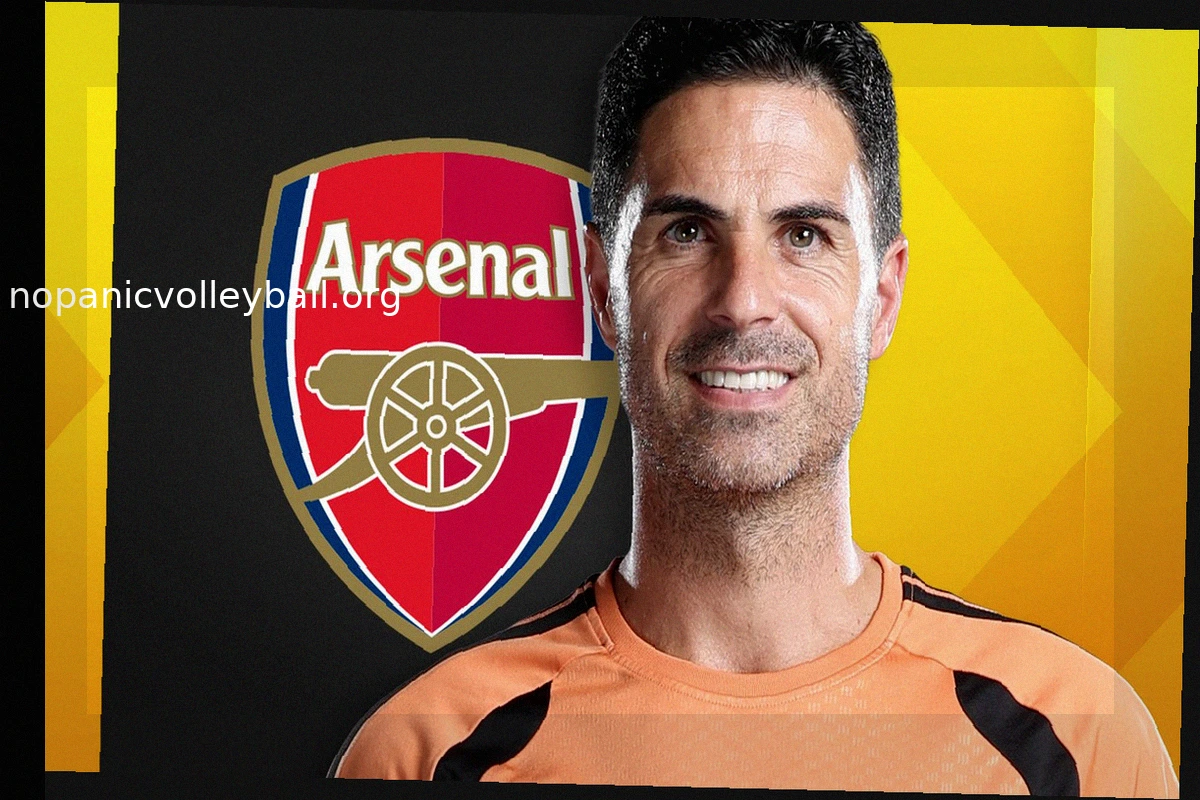
Arsenal Latest: Uncertainty Lingers Over Alvarez's Future
The future of Manchester City forward Julian Alvarez at the club remains a subject of speculation, with Arsenal reportedly among the potential suitors monitoring his situation. Despite a productive spell at City, where he has contributed significantly to their trophy-laden campaigns, rumors persist
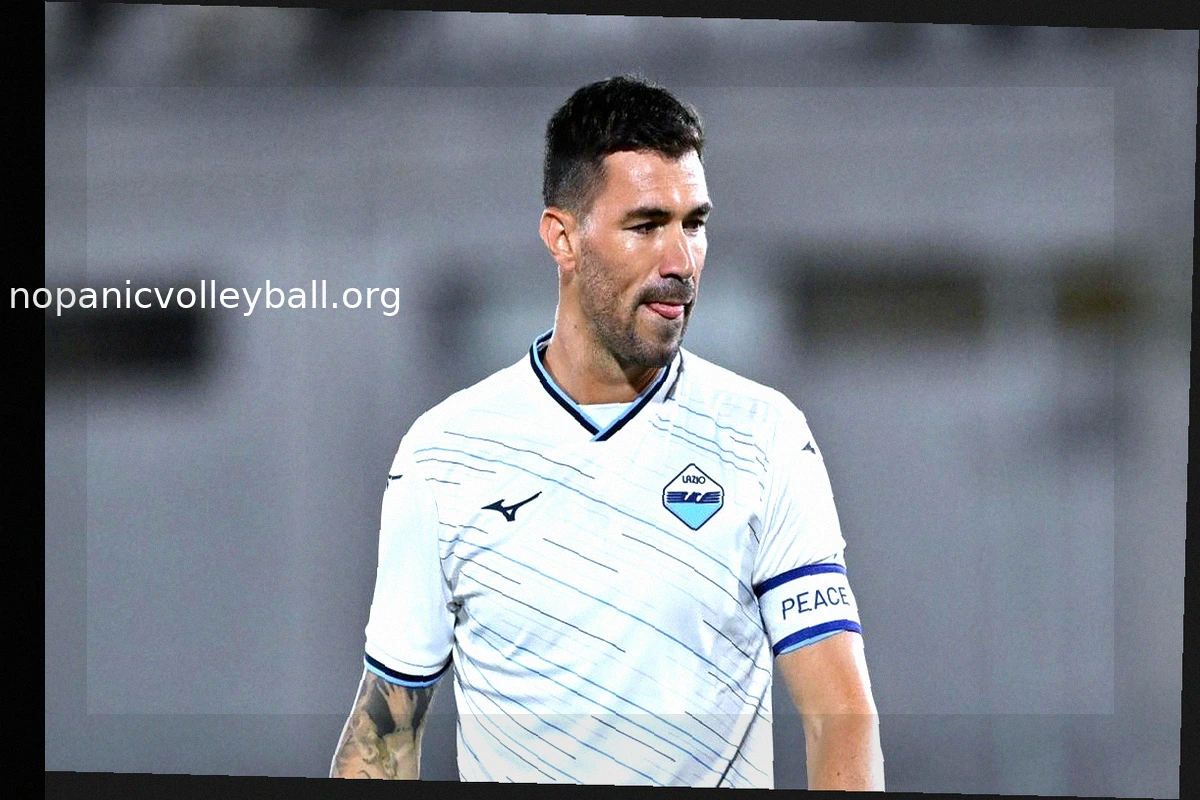
Romagnoli: Al Sadd, Atalanta, and Lazio's Rumors
There are ongoing discussions regarding Alessio Romagnoli's future. Reports suggest interest from Al Sadd, a Qatari club, as well as Serie A side Atalanta. However, the club has officially denied any involvement with a player named Zebic, though speculation persists.

Uber Introduces Real-Time Ride Monitoring for Parents via Driver's Selfie Camera
Uber is launching a new safety initiative that will allow parents to remotely monitor their teenage children's rides. This feature enables parents to view live video of their teen's journey through the driver's selfie camera. This innovative addition aims to provide parents with greater pea
Football on TV Today: August 31st Matches
Today, August 31st, marks a full day of football action, with not only Serie A's late fixtures but also La Liga, Arsenal facing Napoli, and Serie C games. Below is the complete broadcast schedule and where to watch today's matches on Monday, August 31st. Monday, August 31st -

France Emerges as a 'Poster Child' for Sovereign Debt Problems as Government Borrowing Costs Approach 2008 Highs
France's public finances are in a state of decline, and political gridlock is increasingly worrying bond investors. The cost of borrowing for the government is nearing levels not seen since the 2008 financial crisis, with another challenging budget negotiation on the horizon. As the Europ