Nvidia's Friday Reversal: Examining the Fed's Role
Nvidia's stock experienced a dramatic downturn on Friday, shedding billions in value. The stock, which reached a high of $229.26, closed at $217.55, marking a 4.6% drop. This sharp reversal occurred despite a strong earnings report, mirroring a similar pattern seen with Intel previously, where an initial surge was followed by a significant decline. While Intel's sell-off happened immediately after its report, Nvidia's decline occurred the day after a nearly 9% gain, erasing over half of that increase.
The author speculates about the aggressive short-selling strategies employed by hedge funds like Situational Awareness, which previously targeted software-as-a-service (SaaS) companies. Despite these companies consistently delivering decent quarters, they faced sharp declines, suggesting a deliberate effort to drive down stock prices regardless of underlying performance. This aggressive selling style, reminiscent of the period after the repeal of the uptick rule in 2007, can force commentators to rationalize the declines, often focusing on "the action" rather than fundamentals.
The article proposes that Federal Reserve Chairman Kevin Warsh's hawkish remarks at the Jackson Hole symposium may have been a key catalyst for Nvidia's decline. Warsh's suggestion that interest rates might need to rise to combat inflation increased market expectations of a rate hike. This tightening of monetary policy could make financing for infrastructure projects, including data centers that are crucial for Nvidia's growth, more difficult and expensive.
Nvidia's impressive quarter is not in question; however, the author suggests that a more substantial buyback program could have absorbed the selling pressure. The stock's current valuation, trading at 14 times fiscal year 2028 earnings estimates, appears strong given accelerating earnings. Yet, the author emphasizes the interconnectedness of the market, where bond market conditions, influenced by oil prices and inflation, can significantly impact even fundamentally strong stocks like Nvidia.
Looking ahead, the article highlights the uncertainty surrounding future market direction, influenced by potential political shifts, such as a Democratic sweep in the midterms, which could lead to a less business-friendly environment. The author concludes that investors must disentangle fundamentals from the bond-to-stock dynamic, acknowledge Nvidia's underlying strength, and anticipate a cooling of the software sector. The eventual reversal of the bond market's fortunes may hinge on a significant drop in oil prices, which would alleviate inflationary pressures and potentially shift the Fed's stance. Ultimately, Nvidia's future trajectory, whether upward or downward, will be heavily dictated by the interplay of interest rates, elections, and the oil market.
Fresh materials — Beach Volleyball

Under Armour AMP Spectra Pack: Bold Designs for the 2026-2027 Season
Under Armour has unveiled its striking AMP Spectra Pack, a collection designed to make a bold visual statement for the 2026-2027 season. This new range boasts an eye-catching aesthetic, specifically engineered to capture attention and stand out even under the intense glare of stadium floodlight
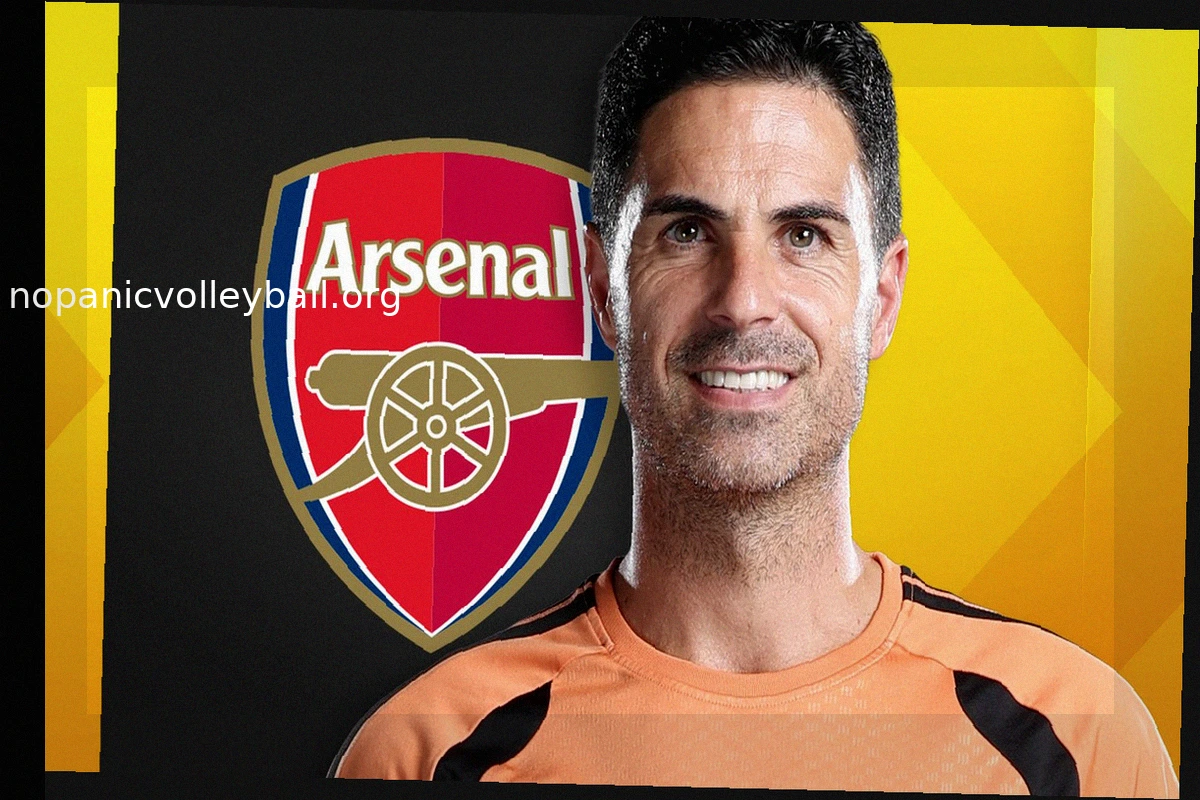
Arsenal Latest: Uncertainty Lingers Over Alvarez's Future
The future of Manchester City forward Julian Alvarez at the club remains a subject of speculation, with Arsenal reportedly among the potential suitors monitoring his situation. Despite a productive spell at City, where he has contributed significantly to their trophy-laden campaigns, rumors persist

Romagnoli: Al Sadd, Atalanta, and Lazio's Rumors
There are ongoing discussions regarding Alessio Romagnoli's future. Reports suggest interest from Al Sadd, a Qatari club, as well as Serie A side Atalanta. However, the club has officially denied any involvement with a player named Zebic, though speculation persists.

Uber Introduces Real-Time Ride Monitoring for Parents via Driver's Selfie Camera
Uber is launching a new safety initiative that will allow parents to remotely monitor their teenage children's rides. This feature enables parents to view live video of their teen's journey through the driver's selfie camera. This innovative addition aims to provide parents with greater pea
Football on TV Today: August 31st Matches
Today, August 31st, marks a full day of football action, with not only Serie A's late fixtures but also La Liga, Arsenal facing Napoli, and Serie C games. Below is the complete broadcast schedule and where to watch today's matches on Monday, August 31st. Monday, August 31st -
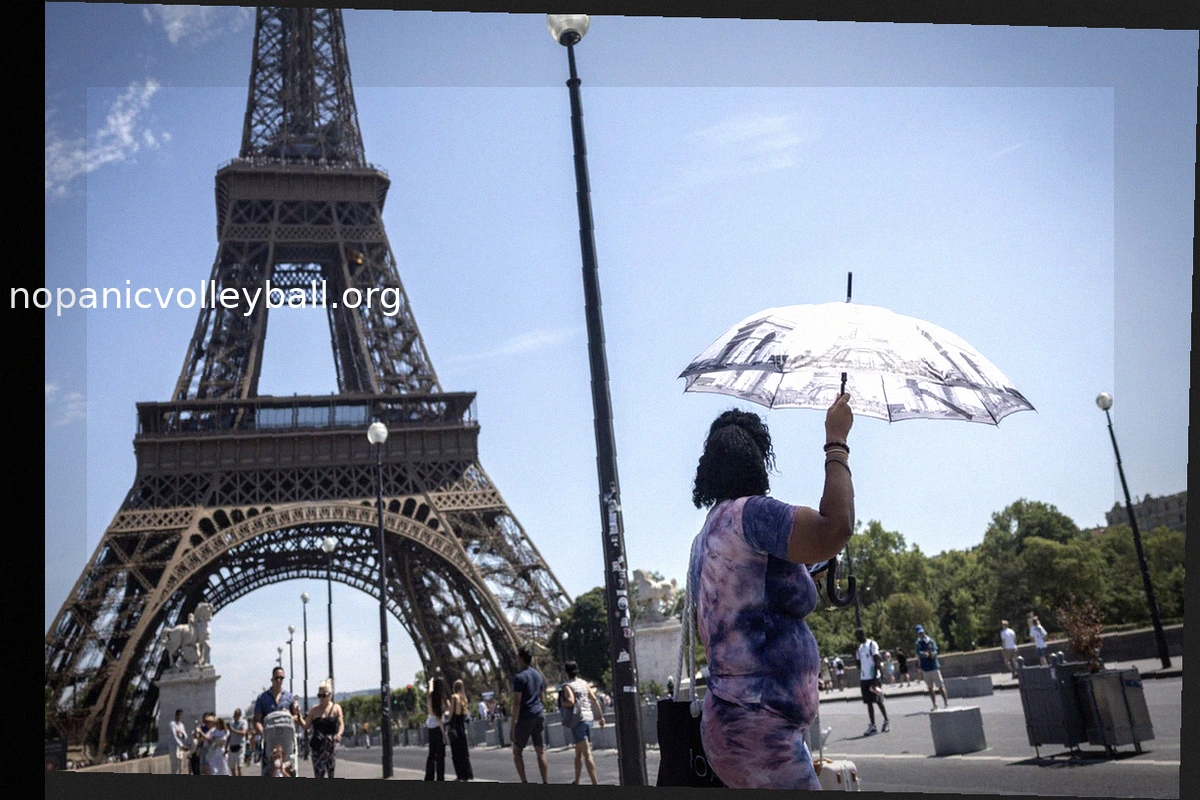
France Emerges as a 'Poster Child' for Sovereign Debt Problems as Government Borrowing Costs Approach 2008 Highs
France's public finances are in a state of decline, and political gridlock is increasingly worrying bond investors. The cost of borrowing for the government is nearing levels not seen since the 2008 financial crisis, with another challenging budget negotiation on the horizon. As the Europ