Japanese Art Icon Yayoi Kusama Dies at 97
Renowned Japanese artist Yayoi Kusama, celebrated for her captivating "Infinity Rooms" and distinctive polka dot motifs, has passed away at the age of 97. Her immersive installations, which create an illusion of endless space using mirrors and lights, alongside her large-scale polka dot sculptures, garnered her significant international fame in recent years. While her art often conveys a playful spirit, it is deeply rooted in her personal journey of overcoming substantial social and mental health challenges.
Kusama began experiencing vivid hallucinations, seeing dots and net patterns, around the age of 10. She attributed these visions to the psychological impact of a difficult upbringing, particularly the strained relationship with her mother, who discouraged her artistic pursuits and imposed traditional expectations. Despite continuing to experience these hallucinations throughout her life, Kusama found a powerful outlet in her art, stating, "My artwork is an expression of my life, particularly of my mental disease."
After studying at the Kyoto School of Arts and Crafts, Kusama held her initial exhibitions in her hometown of Matsumoto. She was remarkably open about her mental health struggles at a time when such discussions were heavily stigmatized. Stephan Diederich, curator of a Kusama retrospective, noted the extraordinariness of her candidness, emphasizing that for Kusama, art served as both a survival strategy and a form of therapy.
Born on March 22, 1929, Kusama found the conventions of post-war Japan restrictive. She described her early twenties as an "era of mental breakdown," feeling like a prisoner due to societal pressures and arranged marriage expectations. This led her to move to New York in 1958, seeking artistic freedom and independence. With financial support from her mother, who insisted she never return to Japan, and the assistance of fellow artist Georgia O'Keeffe, Kusama began to establish herself in the United States.
In New York, Kusama became an integral part of the avant-garde scene. Her meticulous "Infinity Net" paintings, characterized by their hypnotic, repetitive patterns, attracted considerable attention. Her works, including soft fabric sculptures, shared stylistic parallels with contemporaries like Andy Warhol and Claes Oldenburg. Kusama herself asserted that she set benchmarks that her male colleagues later drew upon. Despite her contributions, male artists often achieved greater commercial success, a disparity that contributed to an attempted suicide from which she survived. Her sculpture "Traveling Life" (1964), featuring a ladder covered in phallic shapes with women's shoes on the steps, served as a commentary on the gender pay gap.
Recurring phallic motifs in her work were a way for Kusama to process her "fear of sex as something dirty," as she detailed in her autobiography. In the 1960s, she organized "happenings" as protests against the Vietnam War, often involving provocative performances aimed at breaking down societal barriers through concepts like "free sex" and "self-obliteration." This concept of "self-obliteration," where individuality is erased to merge with the infinite universe, is a pervasive theme throughout her art.
In 1966, Kusama staged her seminal work "Narcissus Garden" at the Venice Biennale, placing 1,500 mirrored spheres outside the event and attempting to sell them. Though the sale was halted by officials, the act served as a potent critique of the commercialization of the art world.
Kusama returned to the Venice Biennale as an official representative of Japan in 1993. She expressed a desire to become "more famous, even more famous," reflecting the significance of recognition in her career. In the last decade, she achieved unprecedented global fame. Exhibitions at The Broad museum in Los Angeles and London's Tate Modern sold out rapidly, and her artworks commanded millions at auction.
After returning to Japan in 1973, Kusama resided in a psychiatric clinic in Tokyo, where she received treatment. She continued to be remarkably prolific, creating paintings, sculptures, and installations that were exhibited worldwide until her final days. In a previous interview, she stated, "I will continue to create artwork as long as my passion keeps me doing so. I am deeply moved that so many people have been my fans... I create art for the healing of all mankind."
Fresh materials — Beach Volleyball

Under Armour AMP Spectra Pack: Bold Designs for the 2026-2027 Season
Under Armour has unveiled its striking AMP Spectra Pack, a collection designed to make a bold visual statement for the 2026-2027 season. This new range boasts an eye-catching aesthetic, specifically engineered to capture attention and stand out even under the intense glare of stadium floodlight

Arsenal Latest: Uncertainty Lingers Over Alvarez's Future
The future of Manchester City forward Julian Alvarez at the club remains a subject of speculation, with Arsenal reportedly among the potential suitors monitoring his situation. Despite a productive spell at City, where he has contributed significantly to their trophy-laden campaigns, rumors persist

Romagnoli: Al Sadd, Atalanta, and Lazio's Rumors
There are ongoing discussions regarding Alessio Romagnoli's future. Reports suggest interest from Al Sadd, a Qatari club, as well as Serie A side Atalanta. However, the club has officially denied any involvement with a player named Zebic, though speculation persists.

Uber Introduces Real-Time Ride Monitoring for Parents via Driver's Selfie Camera
Uber is launching a new safety initiative that will allow parents to remotely monitor their teenage children's rides. This feature enables parents to view live video of their teen's journey through the driver's selfie camera. This innovative addition aims to provide parents with greater pea

Football on TV Today: August 31st Matches
Today, August 31st, marks a full day of football action, with not only Serie A's late fixtures but also La Liga, Arsenal facing Napoli, and Serie C games. Below is the complete broadcast schedule and where to watch today's matches on Monday, August 31st. Monday, August 31st -
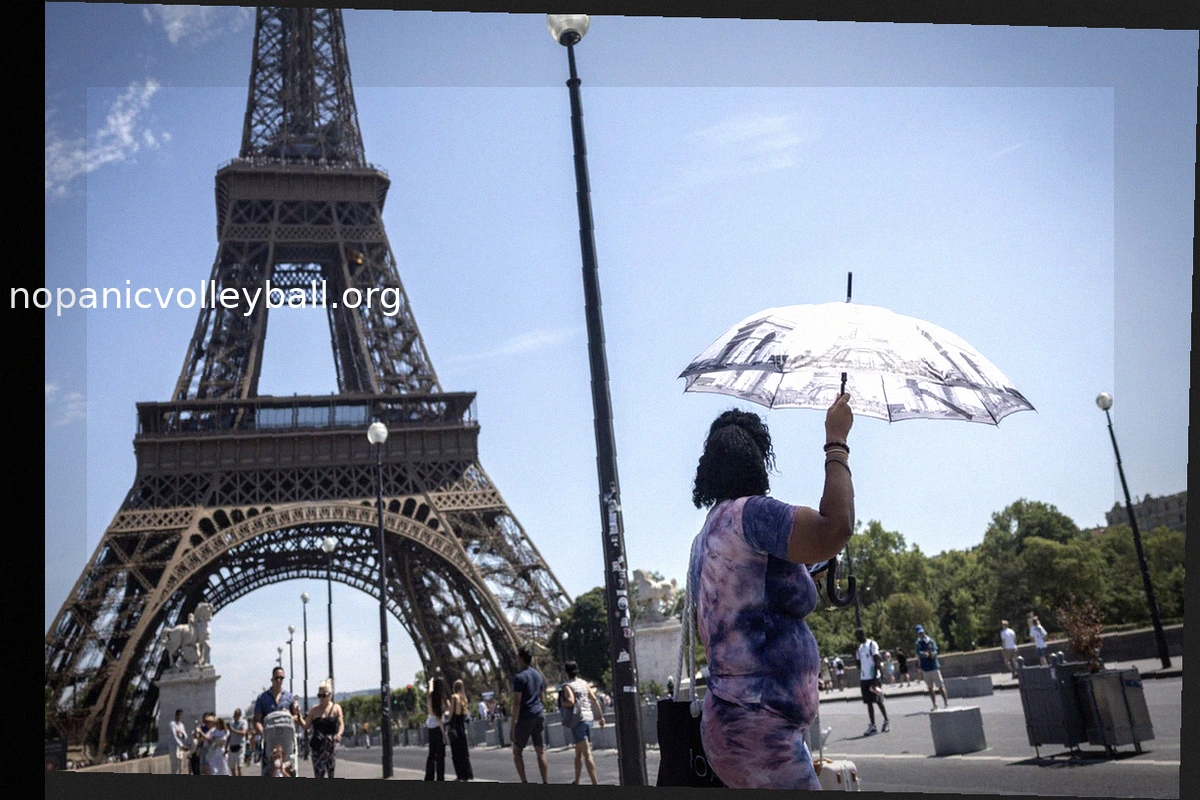
France Emerges as a 'Poster Child' for Sovereign Debt Problems as Government Borrowing Costs Approach 2008 Highs
France's public finances are in a state of decline, and political gridlock is increasingly worrying bond investors. The cost of borrowing for the government is nearing levels not seen since the 2008 financial crisis, with another challenging budget negotiation on the horizon. As the Europ