Giuntoli's Strategic Market Moves: Buying Low, Selling High with Days to Spare
There's a common misconception about Atalanta's market dealings that needs immediate clarification: it's often said that they are good at selling. This is true, but it's only half the story. Selling well, when you have players developed in your youth academy or have made exceptional scouting discoveries, and half of the Premier League is knocking, is almost a formality. The difficult part is what you do with that money and, more importantly, what you manage to bring in without spending heavily.
Cristiano Giuntoli, in his first transfer window as Atalanta's sporting director, has worked on both fronts. Let's examine each operation meticulously, starting with the departures, as they have funded everything.
Marco Palestra and Honest Ahanor both headed to London, joining Chelsea. The latter deal was reportedly closed around £40 million, turning two youth academy products into significant liquidity in a matter of weeks. However, this specific outcome doesn't warrant unqualified praise. To be blunt, the agreement for Ahanor doesn't even include a one-year loan back to Bergamo. This means Atalanta has sold not just the player's registration but also his immediate development potential. It's a massive income and a textbook capital gain, but a piece of their sporting future has also been transferred.
Then there are the symbolic departures, handled with commendable efficiency. Berat Djimsiti was bid farewell after ten years with the locker room's blessing. Most notably, Éderson's potential move to Manchester United fell through during medicals. Instead, he signed an extended contract until 2031, complete with the captain's armband (when De Roon isn't playing) and a new leadership role under Atalanta's new coach, Maurizio Sarri. While the failed medical wasn't the director's doing, it was his skill in finalizing the renewal within hours, rather than letting the situation fester for a month, that deserves recognition.
On the incoming side, the strategy aligns perfectly with Maurizio Sarri's requests. First, a playmaker capable of building play (Gianluca Gaetano) was secured. Then, the needed center-back (Thomas Kristensen) was acquired. Following that, a versatile player with extensive Serie A experience (Eljif Elmas) joined. Finally, a signing that no one in Bergamo expected: Franck Kessié. He returns to where he started nine years ago on a free transfer, bringing with him a Scudetto, a La Liga title, an Africa Cup of Nations trophy, and the captain's armband for Ivory Coast. Many will remember him as a youngster first introduced to the midfield by Gian Piero Gasperini. Now, at thirty, he possesses a resume few in Serie A can match.
The detail that makes this window particularly interesting, and speaks volumes about the director's expertise, is the source of the "snatch": Juventus had a deal practically in place, offering €4.5 million per season for two years with an option. They saw him taken by a executive who worked there until just a year ago. This isn't revenge; it's methodology. Giuntoli had been pursuing Kessié since the summer of 2023, when offers from Saudi Arabia made any discussions impossible. He waited three years and secured him for free. But let's return to the deadlines, as the gong is nearing.
Three significant files remain open. The pursuit of Bologna's English winger Rowe has been Sarri's priority for ten days, and Bologna, under Giovanni Sartori, will only sell if they find a replacement. Alessio Romagnoli remains a possibility, contingent on defensive departures. And then there's the most delicate situation: Marten de Roon could be involved in that operation, potentially marking the end of an era and leaving Mario Pašalić as the last survivor of the current cycle. Clearing a squad slot is one thing; selling a captain is another. These are decisions that require careful consideration, weighing not just the numbers but also the desires of all parties involved. These will certainly be thoroughly investigated.
The provisional balance sheet shows a club that, in two months, has generated revenue on par with top-tier clubs and has launched a new technical project without compromising its ambition. Because in Serie A, selling well is something almost everyone can do. Knowing what to buy with that money, however, is a much rarer skill.
Fresh materials — Beach Volleyball

Under Armour AMP Spectra Pack: Bold Designs for the 2026-2027 Season
Under Armour has unveiled its striking AMP Spectra Pack, a collection designed to make a bold visual statement for the 2026-2027 season. This new range boasts an eye-catching aesthetic, specifically engineered to capture attention and stand out even under the intense glare of stadium floodlight
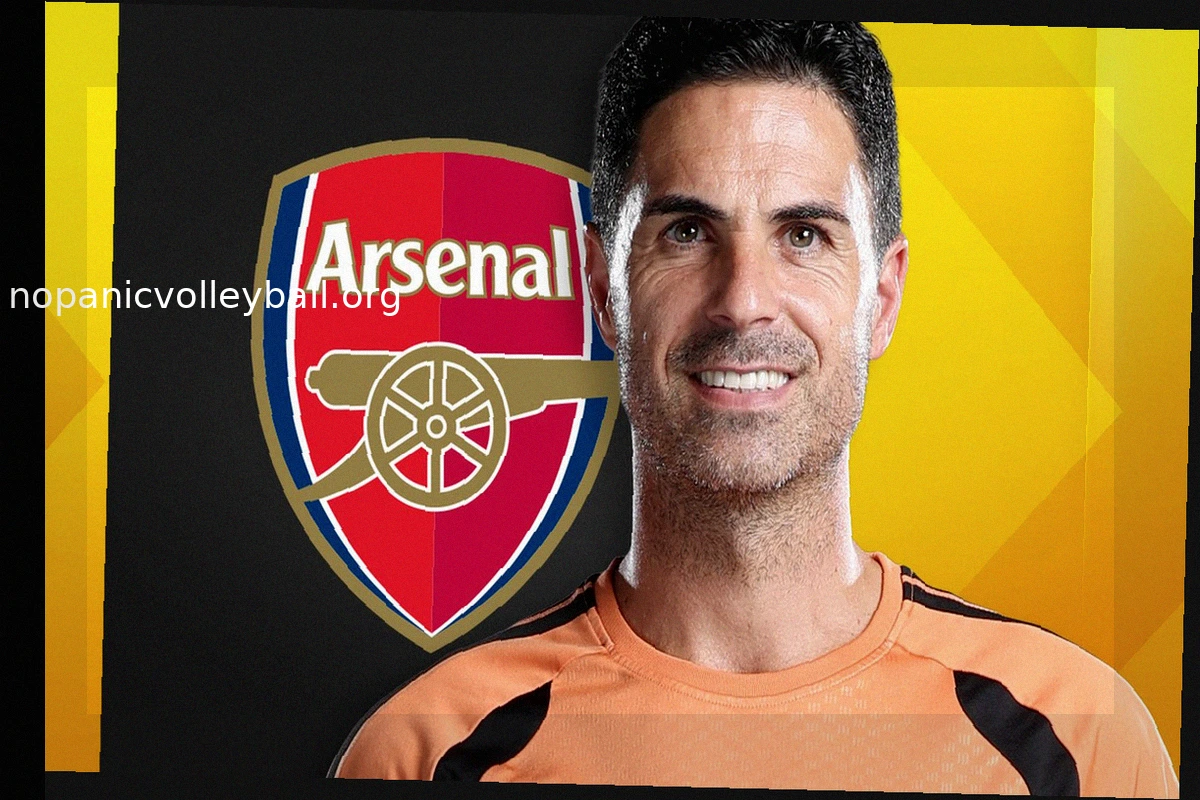
Arsenal Latest: Uncertainty Lingers Over Alvarez's Future
The future of Manchester City forward Julian Alvarez at the club remains a subject of speculation, with Arsenal reportedly among the potential suitors monitoring his situation. Despite a productive spell at City, where he has contributed significantly to their trophy-laden campaigns, rumors persist
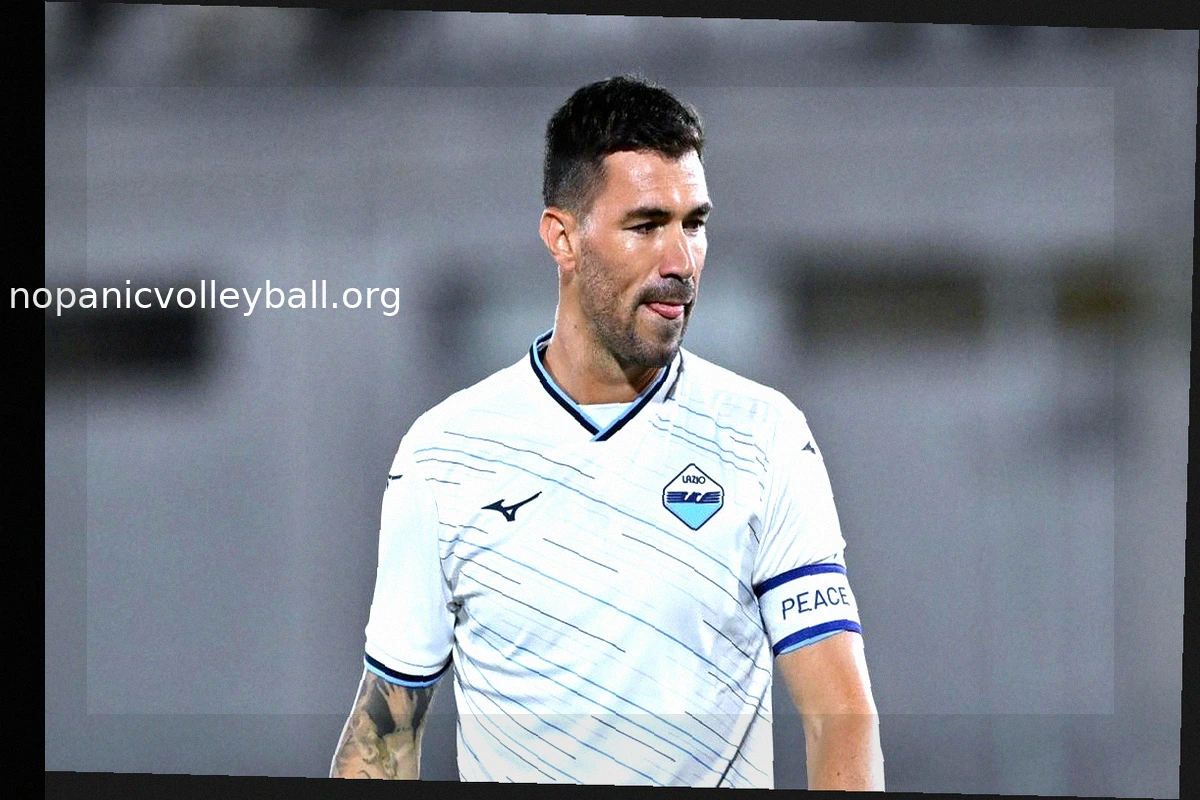
Romagnoli: Al Sadd, Atalanta, and Lazio's Rumors
There are ongoing discussions regarding Alessio Romagnoli's future. Reports suggest interest from Al Sadd, a Qatari club, as well as Serie A side Atalanta. However, the club has officially denied any involvement with a player named Zebic, though speculation persists.

Uber Introduces Real-Time Ride Monitoring for Parents via Driver's Selfie Camera
Uber is launching a new safety initiative that will allow parents to remotely monitor their teenage children's rides. This feature enables parents to view live video of their teen's journey through the driver's selfie camera. This innovative addition aims to provide parents with greater pea
Football on TV Today: August 31st Matches
Today, August 31st, marks a full day of football action, with not only Serie A's late fixtures but also La Liga, Arsenal facing Napoli, and Serie C games. Below is the complete broadcast schedule and where to watch today's matches on Monday, August 31st. Monday, August 31st -
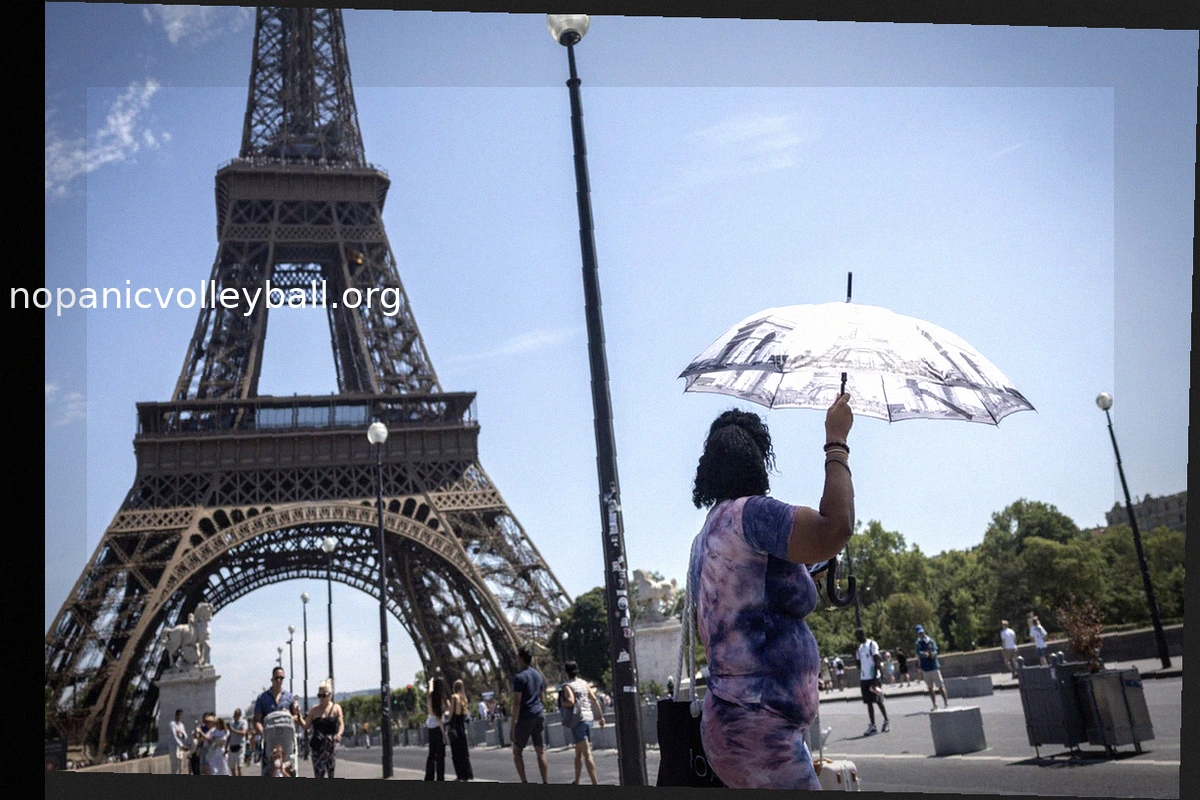
France Emerges as a 'Poster Child' for Sovereign Debt Problems as Government Borrowing Costs Approach 2008 Highs
France's public finances are in a state of decline, and political gridlock is increasingly worrying bond investors. The cost of borrowing for the government is nearing levels not seen since the 2008 financial crisis, with another challenging budget negotiation on the horizon. As the Europ